Ebola in DR Congo passes 9,700 confirmed cases — what health students should know
The Ebola outbreak in the Democratic Republic of the Congo (DRC) keeps growing. By 21 October 2026, the DRC had reported 9,704 confirmed cases and 4,687 deaths, according to the European Centre for Disease Prevention and Control (ECDC). That makes it one of the largest Ebola outbreaks ever recorded.
Which Ebola is this?
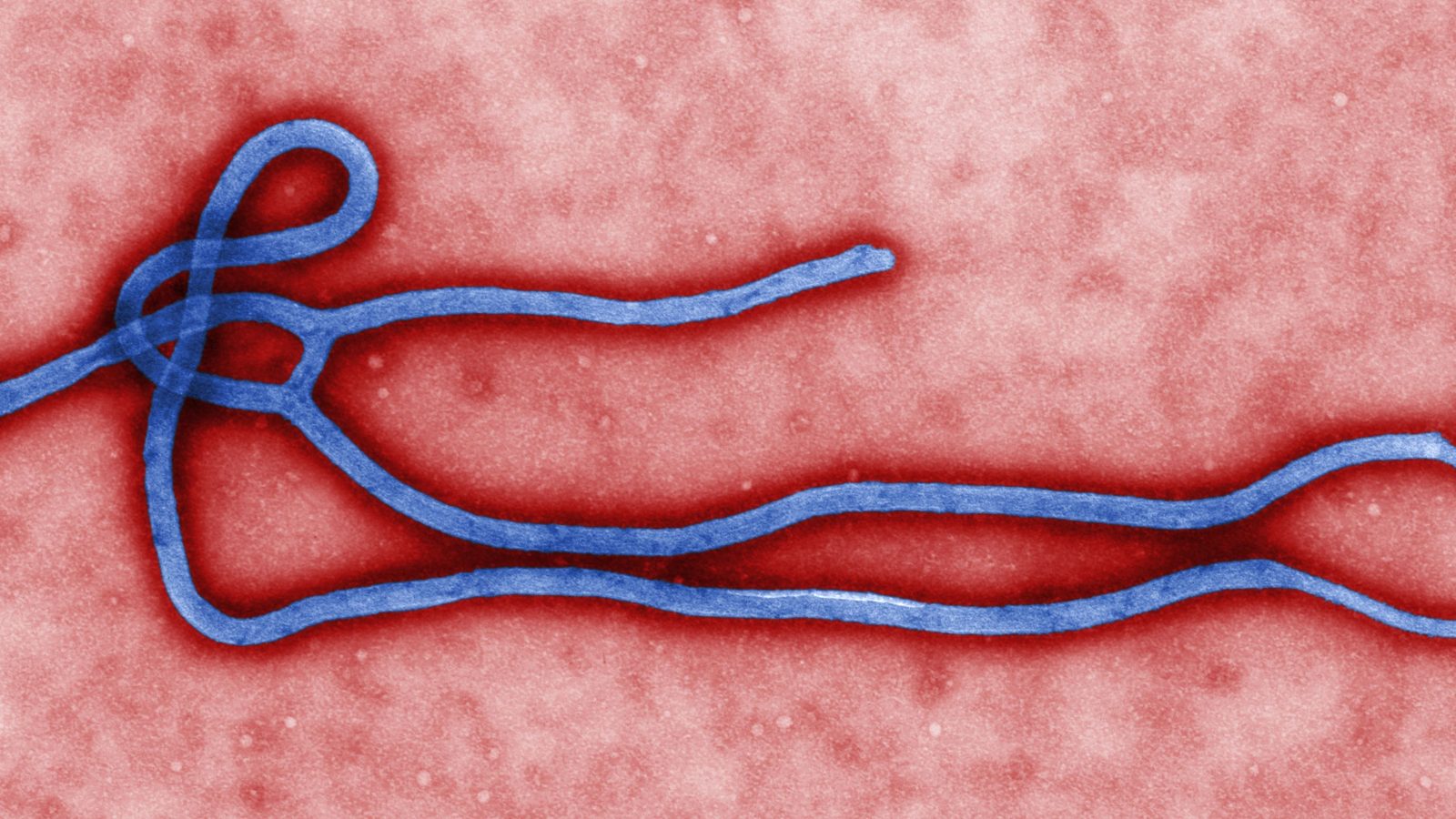
This outbreak is caused by Bundibugyo virus, one of the viruses that cause Ebola disease. It is rarer than the better-known Zaire type. Before this year it had caused two outbreaks: Uganda in 2007 and the DRC in 2012.
According to the World Health Organization (WHO):
- People usually fall sick 2 to 21 days after infection (the incubation period).
- People are not infectious before they have symptoms.
- Early symptoms are non-specific — they look like many other fevers — which makes early detection hard.
- There is no approved vaccine or specific treatment for Bundibugyo virus yet. A WHO-supported treatment trial has started enrolling patients, and candidate vaccines are being reviewed.
Where is it spreading?
- DRC: eight provinces are affected, including Ituri (the epicentre), North Kivu and South Kivu.
- Kenya: 9 confirmed cases and 1 death as of 22 October, all linked to one traveller from the DRC — including relatives and health workers who cared for the patient.
- Nigeria: 1 case reported on 20 October in a traveller; 44 contacts are being followed.
- Uganda: its outbreak earlier this year has ended.
Is there a risk for Egypt and the Gulf?
No cases have been reported in Egypt or the Gulf in these updates. The WHO rates the risk as very high inside the DRC, high for its neighbours, and low globally. It does not recommend travel or trade restrictions. ECDC rates the risk for people living in Europe as very low.
For health workers anywhere, the Kenyan cases are an important reminder: Ebola spreads through direct contact with the body fluids of a sick person, so standard infection-prevention precautions — gloves, hand hygiene, protective equipment and careful handling of samples — protect staff and patients.
Four outbreak terms every health student should know
- Case fatality ratio (CFR): the share of confirmed cases who die. Here it is roughly 48% — but it varies by province and depends on how many mild cases are detected.
- Incubation period: the time from infection to first symptoms (2–21 days for Ebola). It sets how long contacts are followed.
- Contact tracing: finding and monitoring everyone who had contact with a case — the main tool that stops Ebola chains.
- Imported case: a case infected in one country and detected in another, like the first cases in Kenya and Nigeria.
Why it matters for research
Large outbreaks create urgent research questions: how fast do cases rise, who is most at risk, what makes some provinces worse than others, and how can communities be reached. For a thesis, these questions become epidemiology, public health and health-education studies — for example, a survey of health workers' knowledge of infection-prevention measures in your own hospital.
Looking for a research idea in public health or infection prevention? Neura can help you find gaps that have not been studied yet.